A very wet (and unseasonably cold) autumn put a bit of a dampener on 2019, but otherwise it was another good year for photos, with a few surprises along the way...
January
An old favourite to begin - a Stonechat at North Foreland:
February
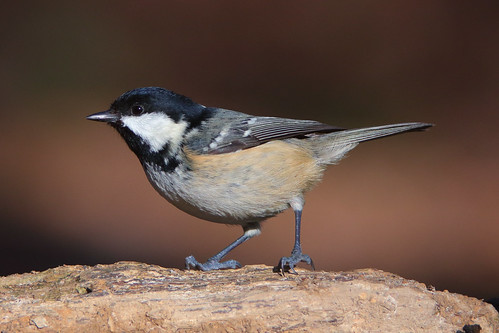
A long overdue return visit to Bossenden to see some woodland birds, including this Coal Tit:
And a Nuthatch:
March
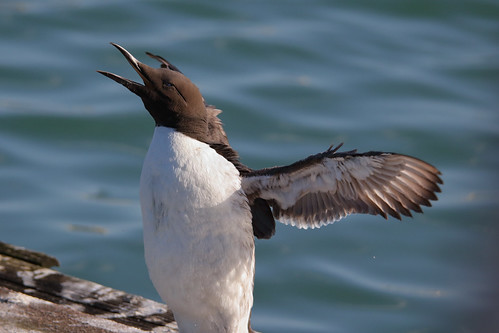
A Guillemot (not a penguin) stretching its wings at Ramsgate:
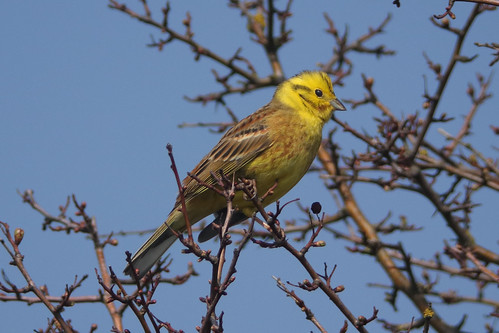
No mistaking this Yellowhammer at Dover:
April
More wing-spreading, this time courtesy of a Tufted Duck at Stodmarsh:
May
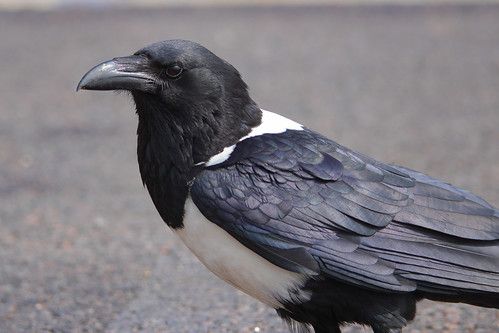
A Pied Crow (of all things) on Broadstairs jetty:
June
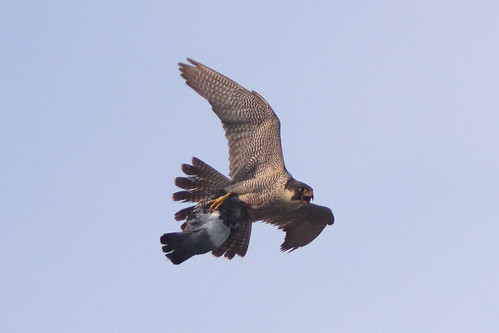
+ 1 Peregrine, -1 pigeon:
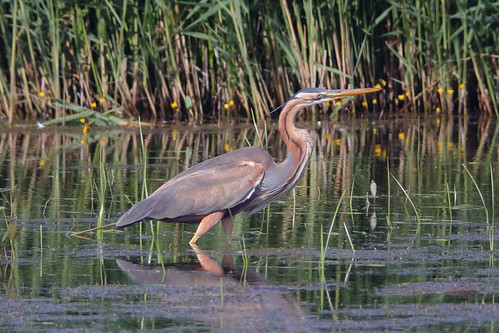
I'd like to tell you I spent hours patiently waiting for a glimpse of this elusive Purple Heron, but it emerged from the reeds only a few minutes after I entered the hide. After catching a couple of fish it flew off - apparently never to be seen again. Sometimes (but only sometimes) I'm in the right place at the right time.
July
The month in which winged insects take centre-stage, while the birds enjoy a well-earned break.
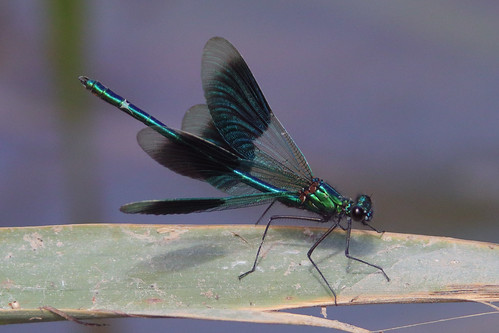
This is the first shot of a Banded Demoiselle I've managed where the wings weren't completely closed:
August
X marks the Dragonfly spot:
September
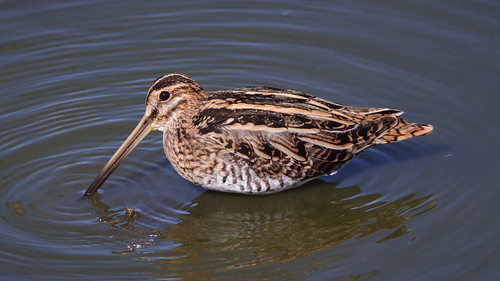
A Snipe at Stodmarsh, photographed from the Reedbed Hide:
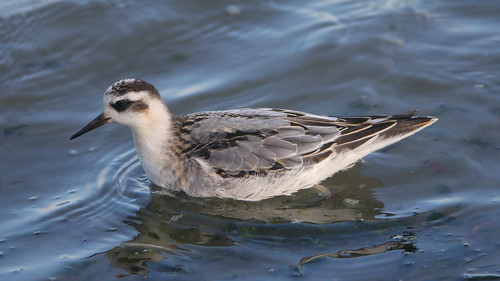
This very charming Grey Phalarope at Birchington was another first for me in 2019. I took a Friday off work to see it (and lucky I did because it was gone by Saturday).
October
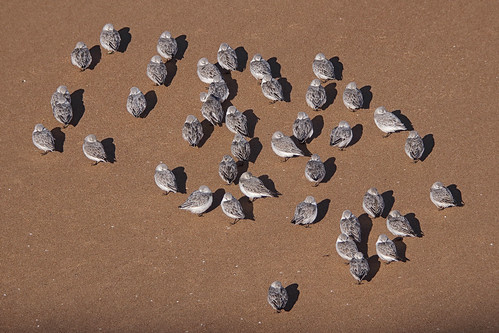
An shot looking over the cliff at the Kingsgate Sanderling roost:
November
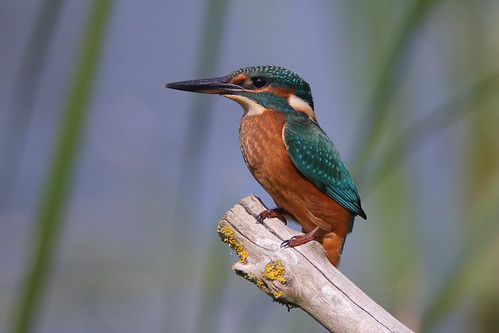
This might well be the second-most photographed bird in England (after that Cuckoo at Thursley Common), but I never get tired of seeing a Kingfisher:
December
And finally, the obligatory Kestrel, seen here flying off with a tasty meal:
All the photos on this page were taken with a Canon 80D DSLR and my trusty Tele Vue-60 refractor - that's right, no autofocus.
Showing posts with label stodmarsh. Show all posts
Tuesday, 31 December 2019
2019 in Pictures
Sunday, 30 December 2018
2018 in Pictures
I didn't think I'd be able to top the previous year, but 2018 served up a bumper crop of sightings (September in particular had enough highlights to fill a best-of list all by itself). But here for your viewing pleasure, after much vacillating, are the pick of the bunch:
January
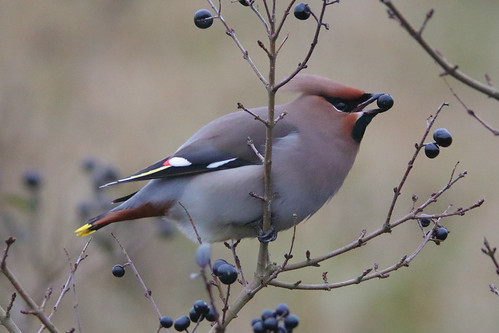
There's nothing like a Waxwing to brighten up a dull winter's day:
February
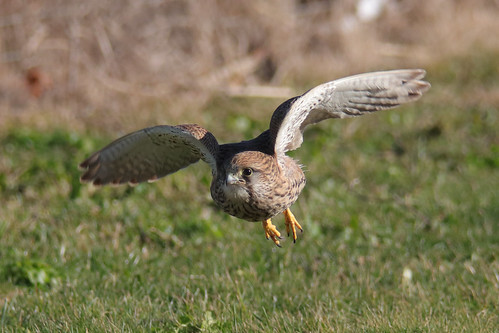
I've got to include at least one Kestrel (it's the Law) and this bird was a bit special:
March
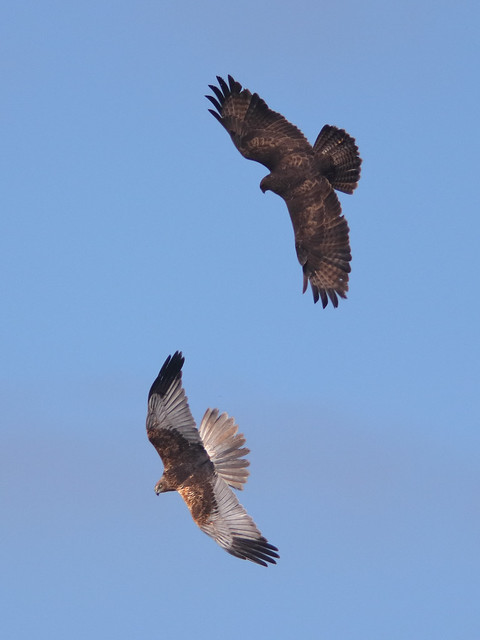
Why go to the trouble of catching your own frog when you can steal one from a Marsh Harrier?
April
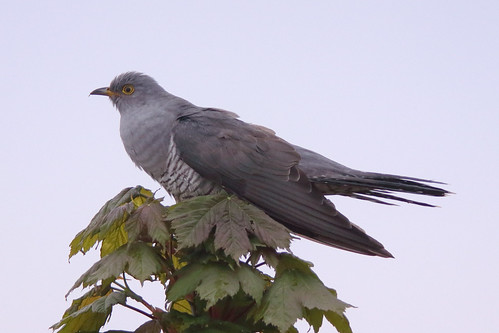
The light wasn't great that morning, but it's not every day that a Cuckoo pops up right in front of you:
May
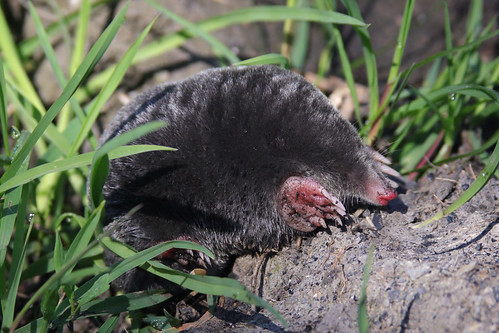
Here's something else you don't see every day, a Mole out in the open:
...though it really wasn't the best day for small furry things to come out of hiding.
Also at Stodmarsh, a Hobby grabs an in-flight snack:
June
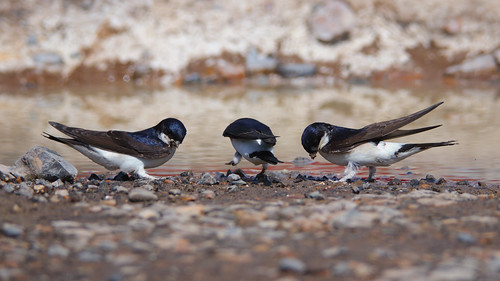
At Foreness Housemartins collect mud for their nests:
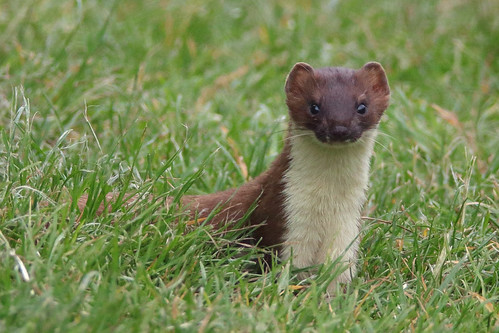
And a Stoat pops up at Stodmarsh:
July
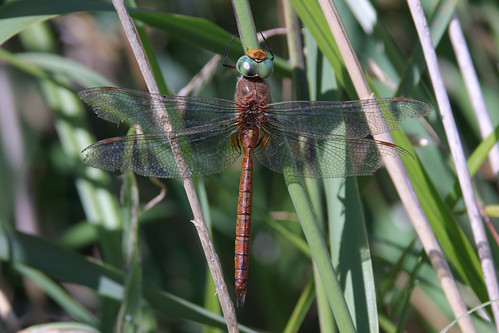
A typically quiet month for birds, but not for dragonflies such as this Norfolk Hawker:
August
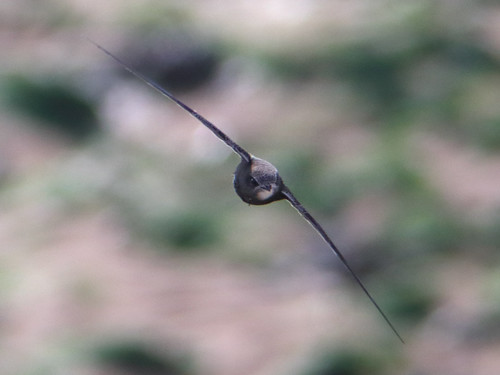
Last ones to arrive; first ones to leave. A Swift prepares for its autumn migration at North Foreland:
September
1st September at Grove Ferry was one of those rare and remarkable days where everything falls into place. It included Spotted Flycatchers and a Bullfinch (in the same tree), a Whinchat, and even a surprise Bittern. But it was the reserve's star attraction that stole the show:
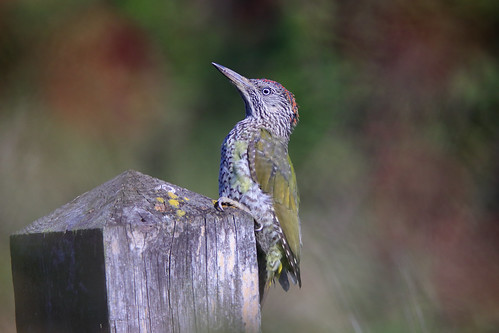
Return visits later in the month uncovered a Small Copper butterfly (the first one I can recall seeing at the reserve), plenty of Willow Emerald damselflies, Lizards, and this juvenile Green Woodpecker:
October
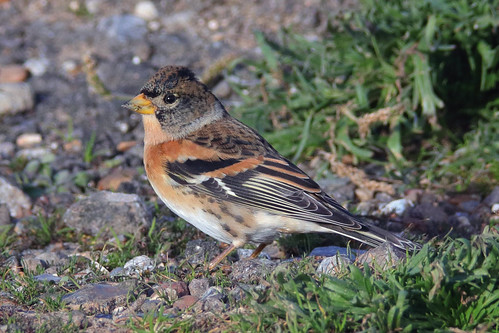
Winter birds start arriving along the coast, including this handsome Brambling at North Foreland:
November
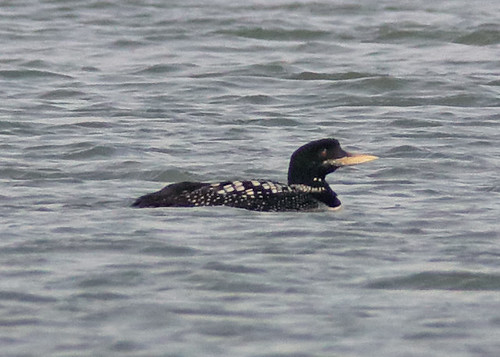
Not the best photo, but arguably the best bird of the year; Scott Haughie's White-billed Diver (in summer plumage!) which attracted birders and photographers from across the country:
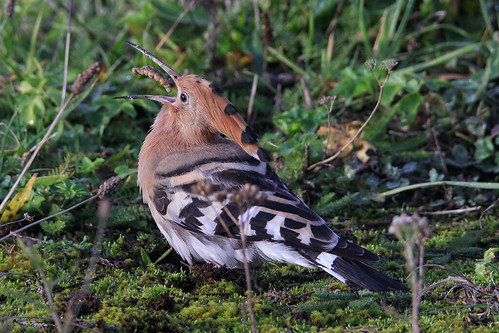
I expect I'll be frowned on in some quarters for including it, but this ESCAPED Hoopoe brought some entertainment (unless you're a grub) to an unlikely part of Thanet:
December
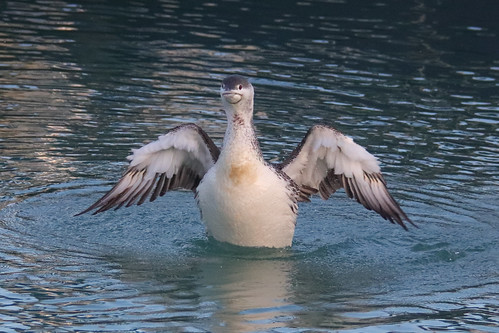
Another month, another loon; a Red-throated Diver (not in summer plumage) in Ramsgate Harbour:
All the photos on this page were taken with a Canon 80D DSLR and the trusty Tele Vue-60 refractor.
In the next post, I will be returning to outer space.
January
There's nothing like a Waxwing to brighten up a dull winter's day:
February
I've got to include at least one Kestrel (it's the Law) and this bird was a bit special:
March
Why go to the trouble of catching your own frog when you can steal one from a Marsh Harrier?
April
The light wasn't great that morning, but it's not every day that a Cuckoo pops up right in front of you:
May
Here's something else you don't see every day, a Mole out in the open:
...though it really wasn't the best day for small furry things to come out of hiding.
Also at Stodmarsh, a Hobby grabs an in-flight snack:
June
At Foreness Housemartins collect mud for their nests:
And a Stoat pops up at Stodmarsh:
July
A typically quiet month for birds, but not for dragonflies such as this Norfolk Hawker:
August
Last ones to arrive; first ones to leave. A Swift prepares for its autumn migration at North Foreland:
September
1st September at Grove Ferry was one of those rare and remarkable days where everything falls into place. It included Spotted Flycatchers and a Bullfinch (in the same tree), a Whinchat, and even a surprise Bittern. But it was the reserve's star attraction that stole the show:
Return visits later in the month uncovered a Small Copper butterfly (the first one I can recall seeing at the reserve), plenty of Willow Emerald damselflies, Lizards, and this juvenile Green Woodpecker:
October
Winter birds start arriving along the coast, including this handsome Brambling at North Foreland:
November
Not the best photo, but arguably the best bird of the year; Scott Haughie's White-billed Diver (in summer plumage!) which attracted birders and photographers from across the country:
I expect I'll be frowned on in some quarters for including it, but this ESCAPED Hoopoe brought some entertainment (unless you're a grub) to an unlikely part of Thanet:
December
Another month, another loon; a Red-throated Diver (not in summer plumage) in Ramsgate Harbour:
All the photos on this page were taken with a Canon 80D DSLR and the trusty Tele Vue-60 refractor.
In the next post, I will be returning to outer space.
Labels:
80D,
birds,
blogpost,
canon,
DSLR,
east kent,
EOS,
grove ferry,
kilner,
photography,
refractor,
stodmarsh,
Tele Vue,
telescope,
TV60
Sunday, 24 December 2017
2017 in Pictures
I normally leave end-of-year round-ups to the more prolific bloggers, but this year I've taken a lot more photos that usual, partly because I bought a new camera, and also to serve as a welcome distraction from the daily hourly news maelstrom generated by Brexit and He-Who-Must-Not-Be-Retweeted. It's reassuring to know that there are still some quiet corners of the world where wagtails still wag, kingfishers still fish, and kestrels still hover, unconcerned by the sound and fury of angry old men who never stop to listen.
But enough of all that; here are some highlights.
January
Photographers often rhapsodise about the "golden hour" just before sunset, and it doesn't get much more golden than this:
February
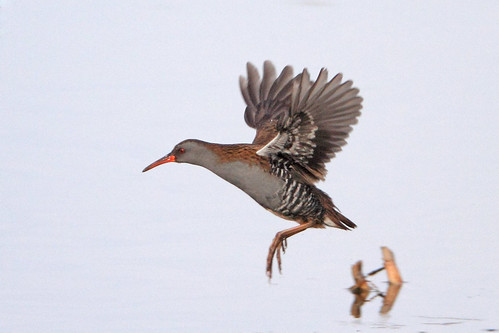
A Water Rail breaks from cover at Grove Ferry:
March
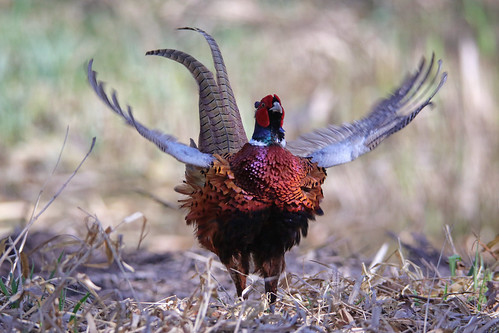
This colourful Pheasant took it upon himself to greet visitors to the Stodmarsh car park:
April
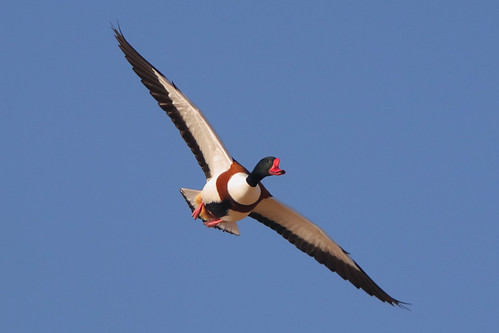
A smart Shelduck flies overhead at North Foreland:
May
A dull and drizzly May Day at Grove Ferry was livened up by this magnificent Kingfisher (one dive, one fish caught, one lucky photographer):
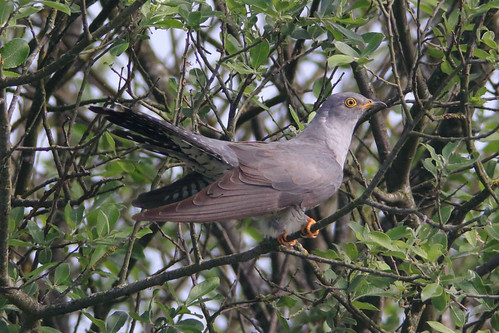
Later in the month, a decent view (for a change) of a Cuckoo:
June
The dragonflies at Grove Ferry / Stodmarsh attracted lots of visitors, including this dashing Red-footed Falcon:
July
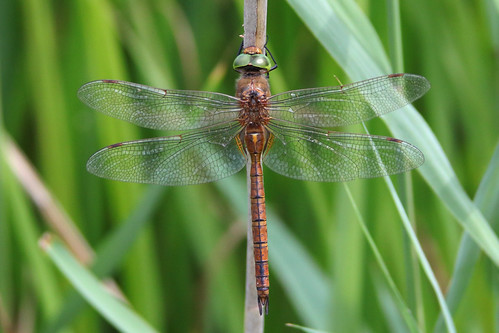
Fortunately there were still plenty of dragonflies left after the Red-footed Falcon departed, including this Norfolk Hawker (aka the Green-eyed Hawker):
August
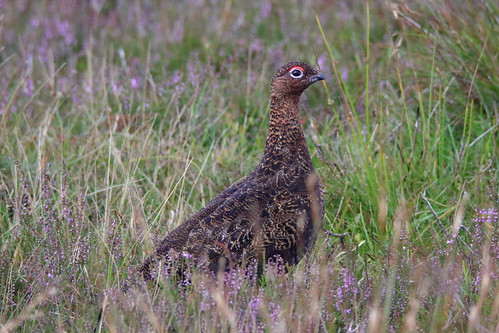
Lots to see in North Yorkshire, including Red Grouse:
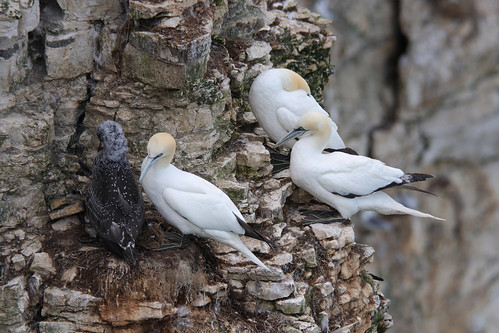
...and the famous Gannets of Bempton Cliffs:
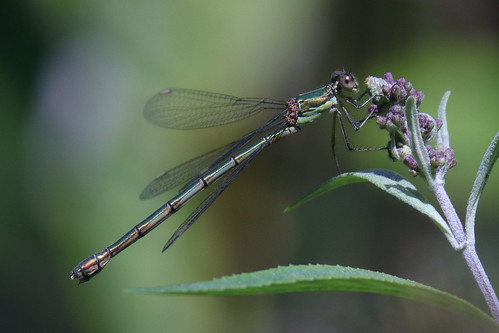
Back in Kent, a relative newcomer to Grove Ferry, a Willow Emerald Damselfly:
September
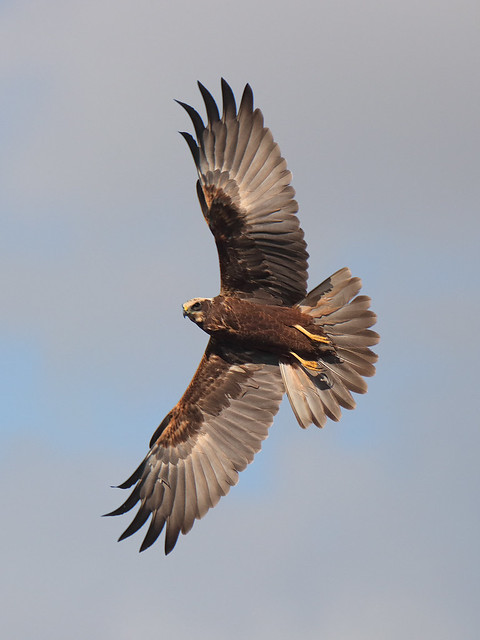
Some drastic Photoshopping saved this image from the bin. The Marsh Harrier changed direction so suddenly I cut off half of the upper wing and had to clone it from the other one. I wouldn't normally do this much work to an image, but I think in this case it was worth it:
October
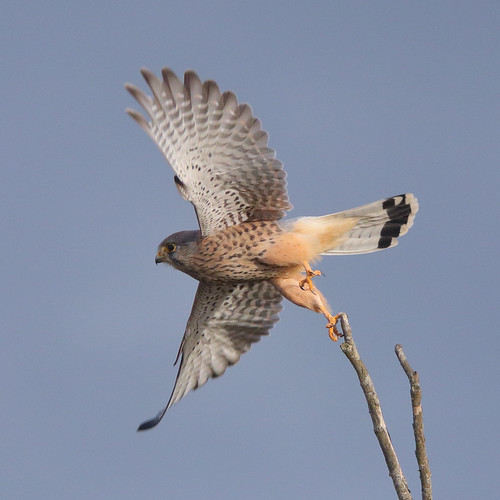
Fortunately my reflexes were a little better when this Kestrel made a quick getaway:
November
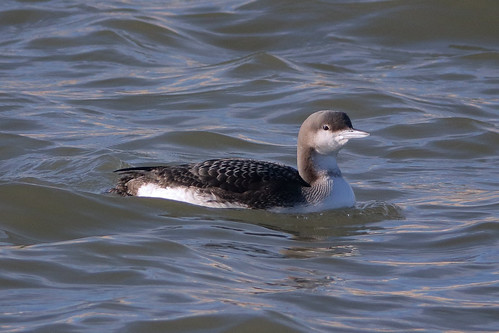
After seeing a Red-throated Diver in 2014 and a Great Northern Diver in 2015, I wondered how many years I'd have to wait to see a Black-throated Diver in Ramsgate Harbour. Turns out it was only two:
December
Another new visitor to Ramsgate Harbour, an Iceland Gull:
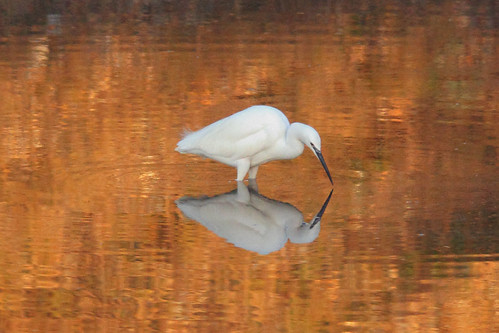
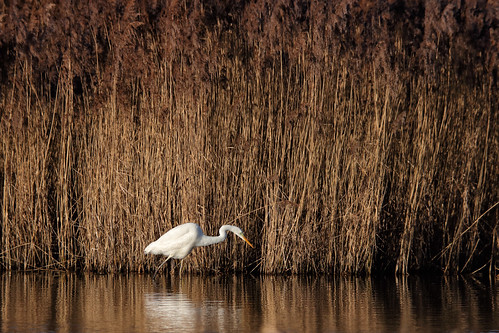
The year started with a Little Egret against a golden backdrop, so it seems fitting to end it with its larger cousin, a Great White Egret, looking for fish in front of the golden reeds of Grove Ferry:
No autofocus was used in the making of these pictures.
But enough of all that; here are some highlights.
January
Photographers often rhapsodise about the "golden hour" just before sunset, and it doesn't get much more golden than this:
February
A Water Rail breaks from cover at Grove Ferry:
March
This colourful Pheasant took it upon himself to greet visitors to the Stodmarsh car park:
April
A smart Shelduck flies overhead at North Foreland:
May
A dull and drizzly May Day at Grove Ferry was livened up by this magnificent Kingfisher (one dive, one fish caught, one lucky photographer):
Later in the month, a decent view (for a change) of a Cuckoo:
June
The dragonflies at Grove Ferry / Stodmarsh attracted lots of visitors, including this dashing Red-footed Falcon:
July
Fortunately there were still plenty of dragonflies left after the Red-footed Falcon departed, including this Norfolk Hawker (aka the Green-eyed Hawker):
August
Lots to see in North Yorkshire, including Red Grouse:
...and the famous Gannets of Bempton Cliffs:
Back in Kent, a relative newcomer to Grove Ferry, a Willow Emerald Damselfly:
September
Some drastic Photoshopping saved this image from the bin. The Marsh Harrier changed direction so suddenly I cut off half of the upper wing and had to clone it from the other one. I wouldn't normally do this much work to an image, but I think in this case it was worth it:
October
Fortunately my reflexes were a little better when this Kestrel made a quick getaway:
November
After seeing a Red-throated Diver in 2014 and a Great Northern Diver in 2015, I wondered how many years I'd have to wait to see a Black-throated Diver in Ramsgate Harbour. Turns out it was only two:
December
Another new visitor to Ramsgate Harbour, an Iceland Gull:
The year started with a Little Egret against a golden backdrop, so it seems fitting to end it with its larger cousin, a Great White Egret, looking for fish in front of the golden reeds of Grove Ferry:
No autofocus was used in the making of these pictures.
Labels:
80D,
birds,
blogpost,
canon,
DSLR,
east kent,
EOS,
grove ferry,
kilner,
manual focus,
photography,
stodmarsh,
Tele Vue,
telescope,
televue40,
TV60
Sunday, 8 January 2017
A few thoughts on Google's Nik Collection
Back in March, Google made the entire Nik Collection photo-editing suite available as a free download. Despite my initial scepticism (and wariness of filters that claim to replicate the "look" of film), I have to admit - now that I've been using it for a few months - it is actually really good and serves as a helpful complement to Photoshop. The Control Point technology is particularly useful for carrying out localised enhancements, saving a lot of time compared to manually creating masks.
Of course, no amount of software wizardry can turn a bad photo into a good photo, but with a little care you can get some interesting results, as shown below. (Note: my photo-editing steps are usually a lot more subtle than this. I provide these photos as examples because it's easier to see the difference.)
Move your mouse across the images to see them as they appeared before processing. Most of these results were achieved using Color Efex Pro, but the first image (the helicopter over the house) was enhanced using Silver Efex Pro to create a High Dynamic black-and-white luminosity layer.
The complete Google Nik Collection suite is available at:
https://www.google.com/nikcollection/
It works best as a Photoshop plugin (under the Filter menu), but you can also run each application as a standalone program if you create short-cuts to the individual .exe files.
![]() |
| Selective sharpening using colour range masking |
Of course, no amount of software wizardry can turn a bad photo into a good photo, but with a little care you can get some interesting results, as shown below. (Note: my photo-editing steps are usually a lot more subtle than this. I provide these photos as examples because it's easier to see the difference.)
Move your mouse across the images to see them as they appeared before processing. Most of these results were achieved using Color Efex Pro, but the first image (the helicopter over the house) was enhanced using Silver Efex Pro to create a High Dynamic black-and-white luminosity layer.
![]() |
| Helicopter at North Foreland, April 2016 |
![]() |
| Stodmarsh Hobby, May 2016 |
![]() |
| Bright Wake on a Dark Sea, November 2016 |
![]() |
| Common Tern, May 2016 |
![]() |
| Stodmarsh NNR, June 2016 |
The complete Google Nik Collection suite is available at:
https://www.google.com/nikcollection/
It works best as a Photoshop plugin (under the Filter menu), but you can also run each application as a standalone program if you create short-cuts to the individual .exe files.
Subscribe to:
Posts (Atom)