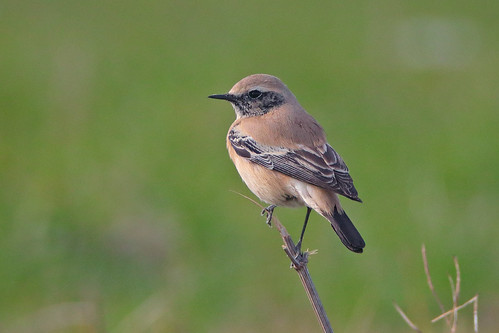
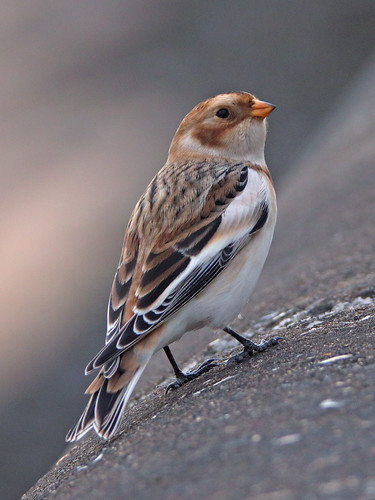
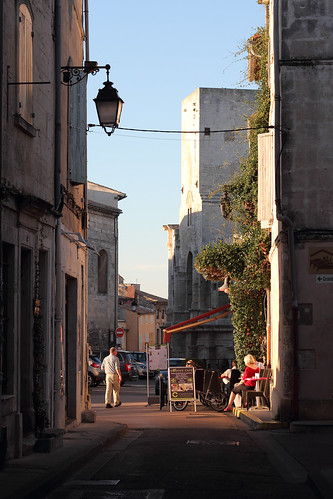
As much as I love writing, if there was one thing I dreaded at school it was having to complete the "What I did on my holiday" essay. So, rather than bore you with every detail, I'm going to boil the trip down to its essentials (i.e. what I anticipate visitors to this blog would want to know about) and let the pictures do most of the talking. If you have any questions not covered by the ones given below then please use the comments section and I will do my best to answer them - though bear in mind that I'm more of a "photographer who happens to shoot birds" than a "birder who happens to have a camera". The object of the trip was not to track down the rarest species, but to have a good time and hopefully get some decent photos along the way. It's also worth noting that the Camargue is B-I-G; two days really only allows time for a whistle-stop tour, but you could easily spend a week there and still only scratch the surface.
Quick question: Was it worth it?
Quick answer: Absolutely, yes!
Did you have a guidebook to the region?
Most of the guidebooks I could find for sale are a few years out of date, but there is a free booklet online which proved to be extremely useful. It contains maps, species lists, and much more. The English-language version is available via this link:
Where to watch birds in the Camargue Regional Nature Park - France (PDF)
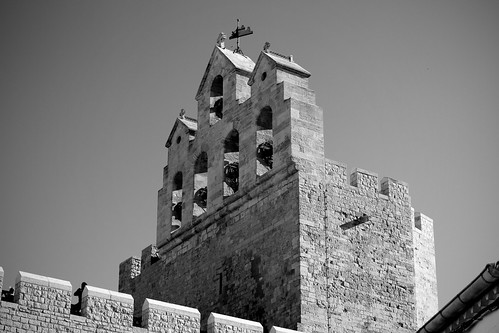
Using Arles as a base, we visited four of the eleven sites listed, as well as the very pretty - and very touristy - town of Saintes-Maries-de-la-Mer.
So what's the big deal about the mistral?
The mistral is a wind, but it's not like any wind you'll experience in England. When it decides to blow it will do so all day - at the same speed and in the same direction - and it won't ease off until the sun goes down. The Camargue is mostly flat, so there aren't many places you can shelter from it. A light, windproof jacket is recommended.
What else should I take?
Sun cream and insect repellent. Make sure you carry plenty of drinking water too; even in September the temperatures can reach the high twenties.
Best place to go to photograph birds?
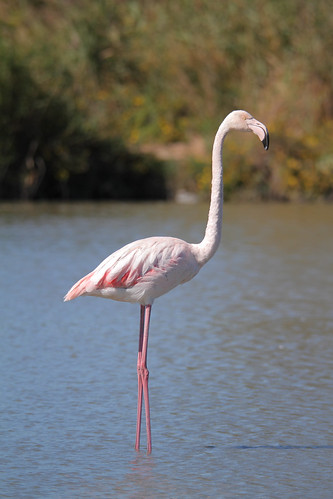
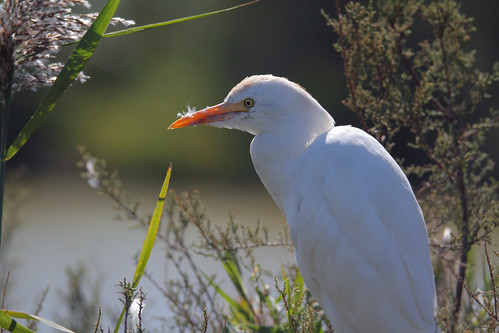
There may well be other reserves (that we didn't have time to visit) within the Camargue that provide a similar experience, but if you want to see the key species of the region at close quarters and get photos "in the bank", so to speak, then the
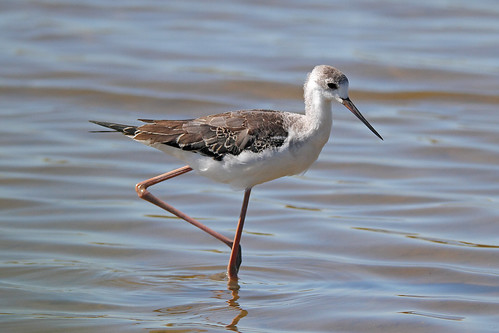
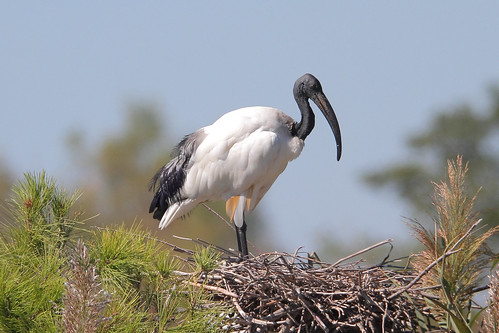
Pont de Gau bird sanctuary is the place to go. As well as the famous flamingos, we saw, among other things, grey herons, little egrets, cattle egrets, spotted redshanks, black-tailed godwits, avocets, black-winged stilts, spoonbills, and a sacred ibis (below). Admittedly, with the exception of the flamingos and the ibis, these are all species you can see in England with increasing regularity, but probably not all in one place, and certainly not within a few feet of the viewing hide.
Recommended eating?
All three of the restaurants we visited in Arles were good, but the
Restaurant Le Plaza La Pailotte was exceptional. I had the duck breast (don't tell the wildfowl!) and it was, quite simply, one of the finest meals I've ever had. (And no, I didn't take a photo of my food.)
Other highlights that you can't convey in a photograph?
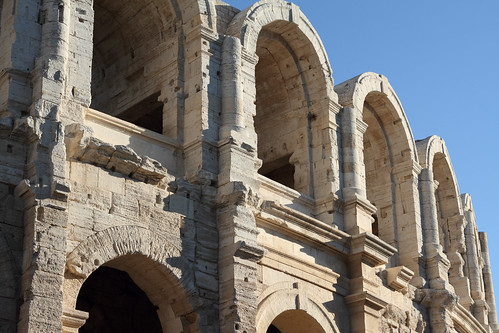
Bats flying above the Rhone at sunset, the strangely soothing background noise of insects (presumably crickets) chirping at night, stumbling upon a bizarre tractor parade in Arles on Saturday evening, still being able to feel the lingering warmth of the sun and the force of the mistral on my face long after the sun had gone down, the sheer physical and historical presence of the Arles Roman Amphitheatre (below), waking up early to see Sirius shining higher in the sky than I've ever seen it before, and of course a welcome reminder that you can't beat a genuine French baguette.
Anything else worth knowing?
The SatNav on the rental car was, unsurprisingly, in French. After some fumbling we found the option screen to change the language. English was
not one of the available languages. Fortunately, if you know your
gauche from your
droite, you should be able to cope.
Finally, special thanks must go to my friends Mark, for his organisational and driving skills, and to Tony, for his near-supernatural ability to liken almost any situation to an episode of the old TV show
Only Fools and Horses.
See more of my photos from the Camargue and Arles on Flickr.